Data Center Roofing
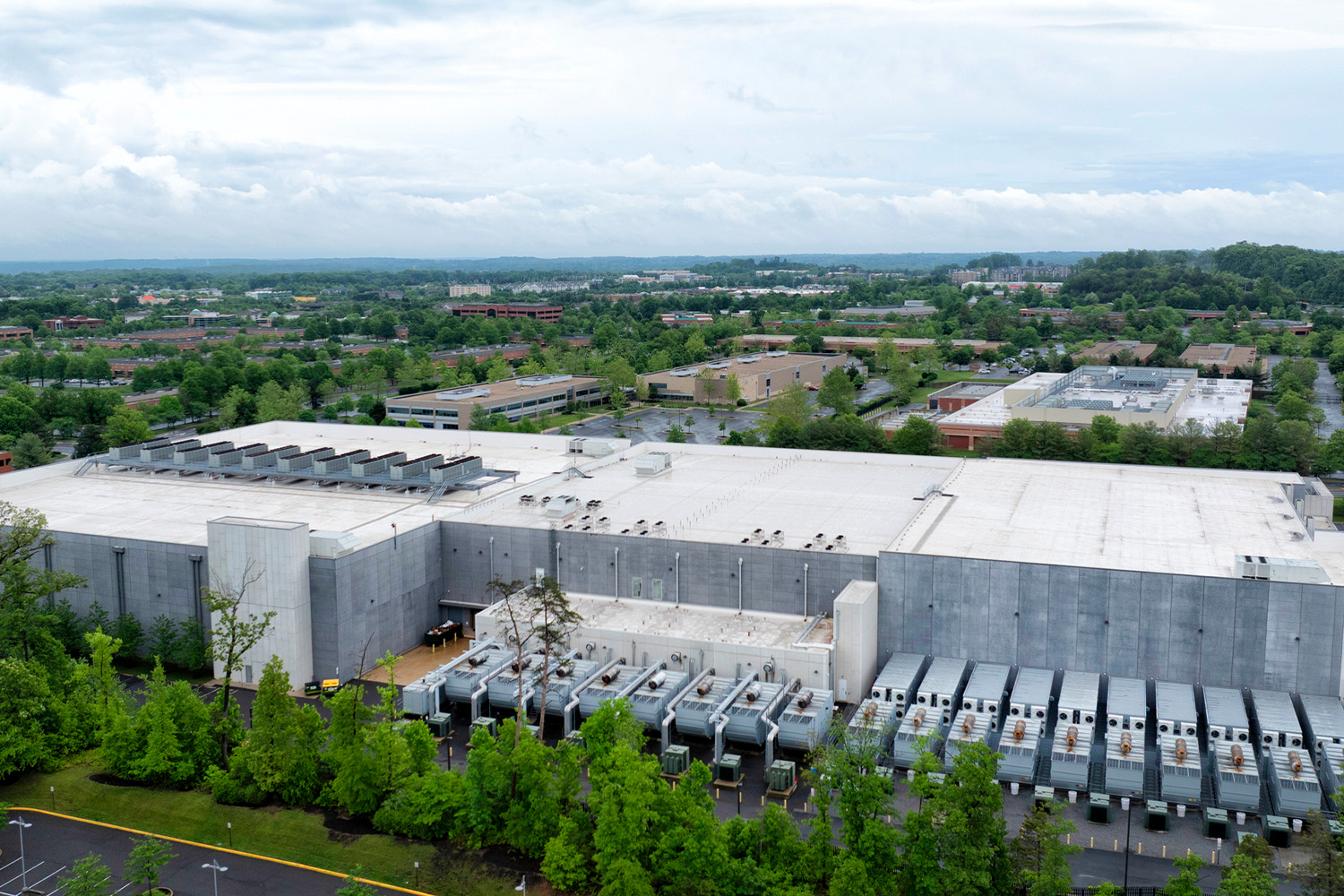
Data center roofing for colocation facilities, server rooms, and mission-critical buildings throughout Tampa, FL.
Tampa has emerged as one of Florida's most significant data center markets, centered on major telecommunications infrastructure and a growing concentration of financial and legal technology operations. Verizon's Tampa operations support carrier-grade network switching and colocation services that underpin broadband connectivity across the broader Gulf Coast region. Syniverse Technologies, headquartered in Tampa, provides mobile clearing and settlement services for wireless carriers worldwide - a mission-critical platform that processes billions of roaming transactions daily from facilities that cannot tolerate environmental failure of any kind, including a compromised building envelope.
The legal and professional services sector adds a secondary tier of data infrastructure to the Tampa market. Law firms including major national practices with Tampa offices maintain on-premises server rooms and private cloud connectivity points that handle privileged client data subject to bar association security requirements. Raymond James Stadium and the entertainment corridor create network demand points that, while secondary in scale, represent additional facilities where roofing failures during Florida's storm season would produce immediate operational and reputational consequences.
Tampa's climate presents a roofing challenge that is simultaneously familiar and underestimated. The city averages over 46 inches of rainfall annually, with the majority concentrated between June and September in intense afternoon thunderstorms that can deliver over an inch of rain in under an hour. Tampa also holds the distinction of being one of the most lightning-active cities in the United States - a fact that affects grounding system integration with rooftop electrical equipment and drives more frequent post-storm inspections than most Gulf Coast markets require.
The combination of tropical heat, intense solar radiation, and year-round humidity creates a thermal and moisture environment that degrades roofing materials at an accelerated rate compared to northern climates. Black EPDM membranes installed on Tampa data centers in the 1990s and early 2000s reached end of life years ahead of manufacturer projections due to UV exposure and repeated thermal cycling. Modern cool roof TPO and PVC systems address the UV and thermal cycling issues, but their long-term performance depends on installation quality and seam integrity - factors that vary significantly between contractors.
Vapor management on Tampa data center roofs requires a strategy that accounts for both cooling season and the brief but real winter periods when temperature differentials reverse direction. The dominant vapor drive in Tampa pushes from the hot, humid exterior toward the air-conditioned interior during summer months - the opposite of northern climates. Vapor retarder placement must reflect this condition, and contractors accustomed to northern installation standards occasionally specify assemblies that perform poorly in Florida's climate profile.
Hurricane preparedness for Tampa data centers has been elevated to a board-level concern since the direct hits experienced by Gulf Coast Florida in recent years. The city's geography at the top of Tampa Bay creates a storm surge risk that is distinct from wind damage - surge events can compromise first-floor mechanical and electrical infrastructure even when the roof itself survives the storm. Roofing contractors working on Tampa data centers should understand how the building's overall flood resilience strategy interacts with the roofing scope, including equipment curb heights and conduit penetration sealing that can either contain or accelerate water intrusion during a surge event.
Rooftop cooling equipment on Tampa data centers operates under thermal stress conditions that affect how the roofing membrane beneath and around that equipment ages. Condensate discharge from HVAC equipment can create persistent wet zones around equipment curbs if drains are not properly sloped, and standing condensate is one of the most consistent predictors of premature membrane failure in Florida data centers. Maintenance protocols should include quarterly inspection of condensate drainage from all rooftop cooling equipment, with corrective action taken before the next rainy season.
The economics of data center roofing in Tampa are shaped by the insurance market in ways that have become increasingly consequential. Florida's property insurance crisis has driven many data center owners to invest in roofing upgrades that qualify for premium credits - specifically, systems that meet or exceed the Florida Building Code's high-velocity hurricane zone requirements and that carry manufacturer warranties with wind speed endorsements. The payback period for these upgrades has shortened dramatically as insurance premiums have risen, making premium roofing systems a financially rational investment even without considering the operational risk reduction they provide.
Experienced commercial roofing contractors in Tampa understand that data center work requires a level of documentation and quality control that exceeds standard commercial projects. Infrared moisture scans of the completed assembly, seam probe testing records, and as-built drawings showing penetration locations and flashing details are standard deliverables that support the facility's ongoing maintenance program and the manufacturer's warranty inspection process. Contractors who resist these documentation requirements are signaling that their installation quality may not support the scrutiny they entail.
Frequently Asked Questions: Data Center Roofing in Tampa, FL
How does Tampa's lightning frequency affect data center roofing systems? Tampa's position in the "Lightning Alley" of Central Florida means rooftop electrical systems, including HVAC equipment and communications infrastructure, require robust grounding that integrates with the roofing assembly. Surge protection and proper bonding of all metal components on the roof surface reduce the risk of electrical damage propagating from a lightning strike through the building's systems.
Roof review
Get a written Tampa Bay commercial roof scope.
We document the roof condition, separate urgent repairs from capital work, and give ownership a practical path before money gets spent.