Commercial Roofing in South Tampa - Hyde Park, SoHo, Bayshore
For commercial properties in South Tampa, the defensible choice between repair, restoration, and replacement starts with roof-system condition, moisture findings, drainage performance, and remaining service life. Commercial roofing for South Tampa's Hyde Park, SoHo, and Bayshore Boulevard commercial corridors - flat-roof retail, mixed-use commercial, and office buildings with Hillsborough Bay coastal exposure.
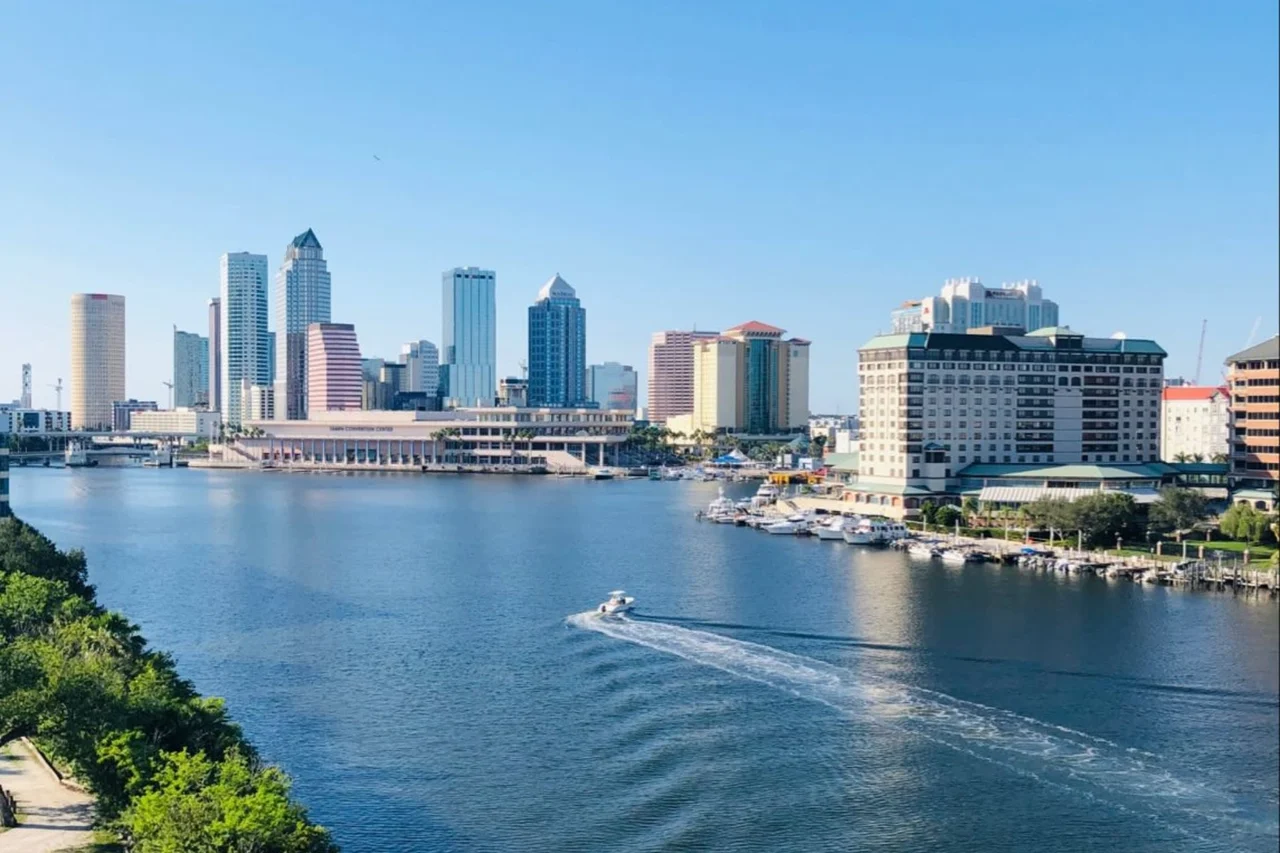
South Tampa's commercial inventory runs from the Hyde Park retail and mixed-use blocks along Swann Avenue and South Howard Avenue through the SoHo restaurant and bar district on Howard, south to the Bayshore Boulevard waterfront commercial corridor - a collection of small-footprint urban commercial buildings, converted bungalows, and mid-size office buildings in a densely residential neighborhood with active Hillsborough Bay coastal exposure.
South Tampa is one of the most desirable commercial neighborhoods in the Tampa Bay metro, and its commercial buildings reflect the density and variety of an urban neighborhood that grew organically over a century: 1920s and 1930s brick storefront blocks along Swann and Howard Avenues, 1950s and 1960s strip commercial along South Dale Mabry Highway, 1990s and 2000s mixed-use development on the redeveloped Westshore Marina District parcels, and 2010s-forward infill construction filling in the remaining commercial parcels between Hyde Park and Bayshore Boulevard. Each vintage presents different roofing conditions.
The defining environmental condition for South Tampa commercial roofing is Hillsborough Bay. The South Tampa peninsula is surrounded on three sides by water - Hillsborough Bay to the east, Old Tampa Bay to the west, and the confluence of the two at Ballast Point to the south. Salt-air exposure in South Tampa is among the most aggressive in the Tampa market, driving coastal fastener and flashing specifications on virtually every project in the area regardless of distance from the waterfront. Hurricane storm surge risk in South Tampa was highlighted by the National Hurricane Center's pre-Milton surge projections, which showed significant surge potential in the low-lying South Tampa waterfront areas including the Bayshore Boulevard corridor.
The South Howard Avenue commercial district - the SoHo restaurant and bar cluster - operates on a schedule that is the inverse of standard commercial hours: the highest-activity period runs Thursday through Saturday evenings and Sunday brunch, with weekday mornings the low-activity window. Roofing project sequencing for SoHo commercial buildings requires pre-construction coordination with tenant schedules that treats evenings and weekends as constrained production windows, not open production windows.
Hyde Park Village and the South Howard Commercial Corridor
Hyde Park Village at the intersection of Swan Avenue and Dakota Avenue is a 1980s mixed-use retail development focused on an outdoor streetscape - the central arcade and the surrounding retail blocks with flat and low-slope roofs over the retail space and the parking structure. Hyde Park Village buildings have been through multiple reroof cycles and are currently managed by institutional retail property ownership that requires documented condition assessment reports and FBC compliance documentation for capital project authorizations.
The South Howard Avenue commercial buildings from Swann to Bay to Bay - the SoHo district - are a mix of 1920s and 1930s brick commercial storefronts converted to restaurant and bar use, 1950s and 1960s commercial buildings, and newer infill construction. The older brick buildings have parapet flashing conditions similar to Ybor City, though generally with simpler parapet profiles and without the Barrio Latino Commission review requirement. The common roofing failure on these older South Howard buildings is flashing failure at the parapet-to-wall transition where the original BUR or modified bitumen base flashing has debonded from the brick face after decades of thermal cycling.
South Dale Mabry Highway's commercial strip south of Kennedy Boulevard through the South Tampa segment - the big-box retail cluster at Henderson Boulevard and the surrounding strip commercial - is predominantly 1990s and 2000s commercial construction on 45-mil mechanically attached TPO systems approaching first reroof. These buildings are large-footprint, straightforward commercial roofing assignments with the notable complication of South Tampa's coastal salt-air exposure driving fastener specification decisions.
Bayshore Boulevard Waterfront Commercial
The Bayshore Boulevard corridor from the Platt Street bridge south to Ballast Point is one of the most exposed commercial locations in the Tampa market - the buildings along Bayshore face direct Hillsborough Bay exposure across the world's longest continuous sidewalk. Salt-air concentration in this zone is the most aggressive in South Tampa, and any commercial building within a block of Bayshore requires marine-grade metal component specifications: stainless steel fasteners, stainless termination bar, lead or stainless drain bodies, and copper or stainless scupper boxes.
Several of the larger commercial buildings along the Bayshore corridor - the office buildings at the northern end of Bayshore near Plant Street and the mixed-use development at the southern end near Ballast Point - are in coastal HVHZ exposure classification and require Miami-Dade NOA-approved assembly specifications for replacement work. Buildings in direct Hillsborough Bay frontage are in the most demanding exposure category in the FBC HVHZ framework.
Hurricane surge risk on Bayshore Boulevard is not theoretical - the pre-Milton storm surge projections for a direct Tampa Bay hit showed the Bayshore waterfront area in the highest-risk surge zones in the city. Buildings along Bayshore that have not been assessed for the specific post-storm damage pattern of surge inundation - moisture driven up through the deck from below rather than from above - should include this assessment in the next roofing inspection cycle.
Roof review
Get a written Tampa Bay commercial roof scope.
We document the roof condition, separate urgent repairs from capital work, and give ownership a practical path before money gets spent.