
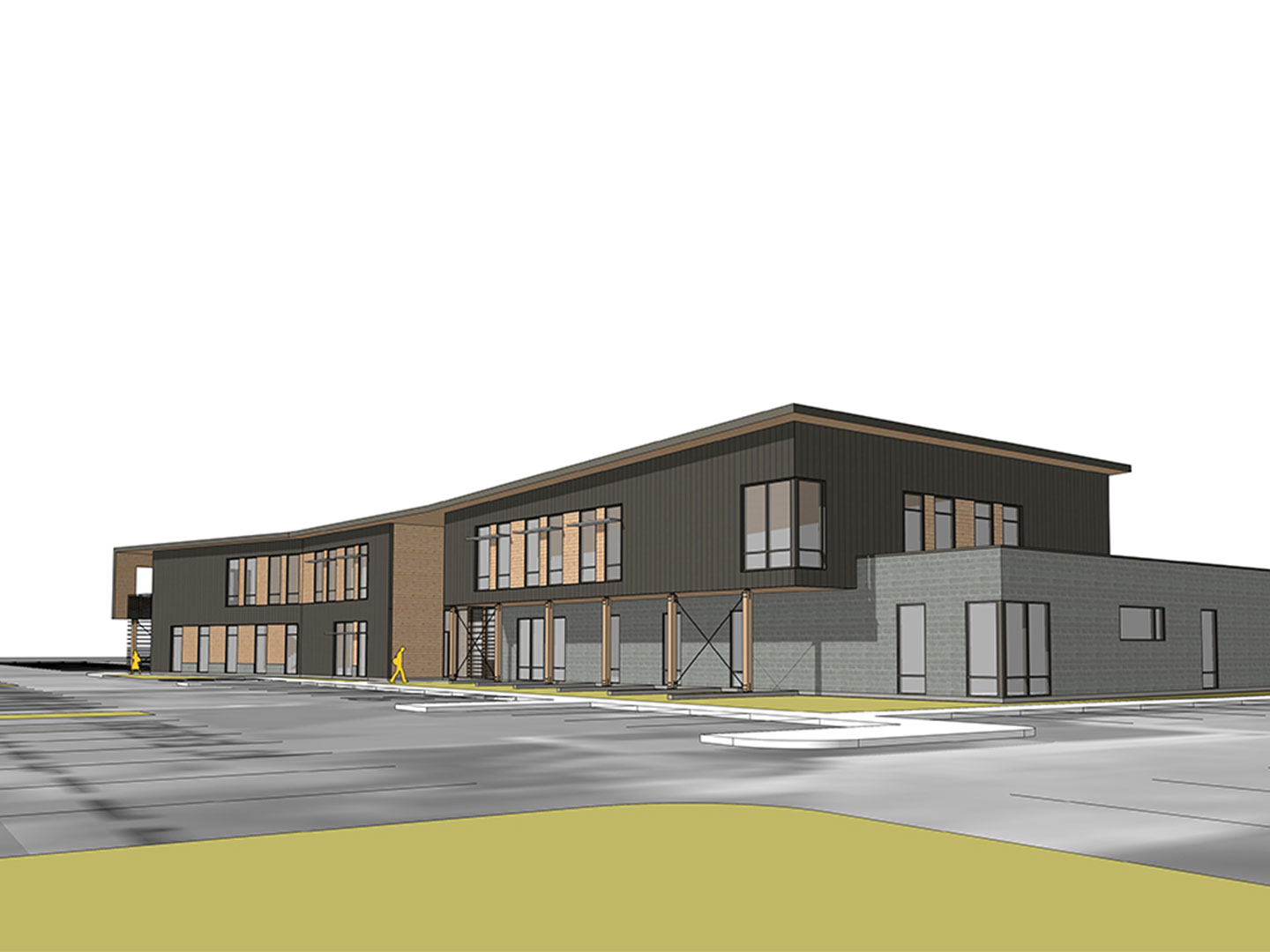
Healthcare Facility Roofing
Commercial roofing for hospitals, medical office buildings, surgical centers, and healthcare facilities throughout Tampa, FL.
Tampa's healthcare sector has grown into one of Florida's most comprehensive medical ecosystems, headlined by Tampa General Hospital on Davis Islands, Moffitt Cancer Center adjacent to the University of South Florida in New Tampa, and AdventHealth Tampa, Tampa Bay's third-largest hospital by bed count, along with BayCare Health System's substantial network of community hospitals and medical pavilions distributed across Hillsborough County. The concentration of specialized care-Moffitt's cancer research and treatment operations alone occupy millions of square feet of laboratory and clinical space-creates a roofing maintenance environment where even a minor water intrusion event can compromise years of research data, contaminate pharmaceutical preparations, or threaten immunocompromised patients whose vulnerability to environmental infections has no margin for error. For a roofing contractor serving Tampa's medical district, the professional and ethical stakes are higher than in any general commercial market segment.
Tampa Bay's position on the Gulf Coast makes Hillsborough County one of the most statistically vulnerable metropolitan areas in the United States for direct hurricane impact, a risk that the 2004 and 2005 seasons underscored even as the city escaped the most catastrophic direct landfalls those years. When Hurricane Ian devastated Lee County in 2022, Tampa Bay's medical community watched with acute awareness of how rapidly a major storm could overwhelm the healthcare infrastructure of a similarly sized city. Florida Building Code requirements for Hillsborough County essential facilities-the classification that applies to hospitals-mandate wind uplift resistance values that exceed standard commercial building requirements, and re-roofing projects at Tampa hospitals must use materials carrying Florida Building Code product approval numbers that confirm testing to the applicable design wind speeds. This is not a paperwork formality; it is the regulatory mechanism that ensures hospital buildings remain functional when the rest of the surrounding community needs them most.
Moffitt Cancer Center presents one of the most technically demanding healthcare roofing environments in the Southeast. The facility's clean rooms, cell therapy laboratories, and sterile pharmaceutical compounding areas operate at positive pressure with multi-stage HEPA filtration to protect research materials and immunocompromised patients from environmental contamination, and any roofing work performed on the building must be coordinated through an infection control process that rivals the complexity of a pharmaceutical manufacturing facility. Rooftop HVAC intake systems serving these critical areas must never receive unfiltered air contaminated by roofing debris, and the containment plans submitted for Moffitt roofing projects are reviewed by infection control professionals, facilities engineers, and research operations staff before a single square foot of membrane is opened. Contractors without this level of documentation capability should not approach Moffitt for roofing work.
Tampa's humidity and tropical storm threat combine to create a specific risk for medical gas penetration seal failure that facility managers across Hillsborough County's hospital network should proactively address. The daily thermal cycling between Tampa's air-conditioned rooftop equipment environments and the ambient summer heat-surface temperatures can exceed 180°F on dark rooftop sections in July-stresses sealant bonds at pipe collars repeatedly over each hot season. When this thermal stress is combined with the moisture infiltration that follows the afternoon thunderstorms common from June through September, boot seals that are five or more years old and have never been inspected may have developed partial separations that allow water to wick along the pipe surface into the building. A scheduled penetration resealing program that addresses all gas line penetrations at Tampa hospital campuses on a cycle appropriate to Florida's climate-not the temperate climate cycles assumed in national maintenance guideline documents-prevents these failures before they become clinical events.
BayCare Health System's network of community hospitals-St. Joseph's Hospital, South Florida Baptist Hospital, Winter Haven Hospital, and others across the Tampa Bay region-creates an extensive portfolio of healthcare buildings that vary widely in age, construction type, and roofing system condition. Properties within BayCare's portfolio that date to the 1970s or 1980s construction cycles may still carry original or early-replacement built-up roofing systems that are approaching or past their functional service life. For healthcare real estate portfolios of this scale, a systematic roofing condition assessment program that evaluates every building on a documented cycle-rating each system's remaining life, noting critical repair needs, and projecting replacement timelines-provides the capital planning foundation that large health system facilities departments need to manage multi-campus infrastructure responsibly.
The ambulatory surgery center and freestanding emergency room market in Tampa has expanded substantially in the Westshore business district, Brandon, and Riverview, driven by both population growth and the shift of surgical volume from inpatient to outpatient settings. These standalone clinical buildings often feature more architectural complexity than standard commercial construction-distinctive entry canopies, sloped roofing elements combined with flat HVAC-equipment areas, and premium exterior materials that require specialized maintenance approaches. For property managers and healthcare real estate investors who own these buildings, understanding which components are owner-maintenance responsibilities versus manufacturer warranty coverage requires a clear post-installation documentation package that specifies every material, its warranty term and conditions, and the maintenance requirements that preserve warranty coverage. A roofing contractor who provides this documentation at project completion adds measurable long-term value beyond the installation itself.
Assisted living and skilled nursing development in Tampa has concentrated in the Westchase, Carrollwood, and Brandon corridors, with newer facilities built to modern construction standards alongside older communities that may be several maintenance cycles behind current best practices. Florida's summer heat creates urgency around roofing repairs at these facilities because residents with limited thermoregulatory capacity-frail elderly individuals, residents on multiple medications-face genuine health risks when air conditioning systems are compromised by roof leaks that reach HVAC equipment or electrical systems. A roof failure that forces temporary relocation of memory care residents is a serious incident under Florida AHCA oversight, and facilities that lack documented roofing maintenance programs are in a poor position to demonstrate responsible building stewardship when licensing inspectors ask about incident causes.
Tampa's energy efficiency opportunity for healthcare roofing is substantial because the city sits in one of the highest cooling-degree-day zones in the continental United States, with summer air conditioning demands running virtually without interruption from April through October. Duke Energy's commercial energy efficiency programs and TECO Peoples Gas programs offer rebates for qualifying cool roof and building efficiency improvements, and Tampa General Hospital and Moffitt Cancer Center have both demonstrated commitment to sustainability goals that make energy-efficient roofing specifications straightforward decisions within those organizations' capital planning frameworks. For independent medical office building owners and smaller healthcare operators in Hillsborough County, a project that combines a TPO membrane replacement with insulation upgrades to meet or exceed ASHRAE 90.1 standards can deliver utility cost reductions that meaningfully offset annual facility operating costs.
Selecting a roofing contractor for Tampa healthcare facilities requires Florida contractor licensure from DBPR, completed ICRA training for all site supervisors, Florida Building Code product approval documentation for proposed materials, and verifiable references from major Tampa Bay area healthcare clients. For projects at licensed general acute care hospitals-Tampa General, AdventHealth Tampa, St. Joseph's Hospital-the contractor should be prepared for a detailed pre-qualification review that may include insurance certificate verification, financial capacity review, safety record documentation, and a contractor orientation conducted by the hospital's facilities management and infection control departments before bid invitation is extended. Tampa's competitive commercial roofing market includes contractors of every experience level, and distinguishing the genuinely hospital-qualified firms from general commercial contractors who aspire to healthcare work requires due diligence that pays for itself many times over.
Frequently asked questions
How do I know if my Tampa commercial building's BUR system needs replacement or repair?
Roof review
Get a written Tampa Bay commercial roof scope.
We document the roof condition, separate urgent repairs from capital work, and give ownership a practical path before money gets spent.