Mixed-Use Development Roofing
Commercial roofing for mixed-use buildings, urban infill developments, and live-work-play properties throughout Tampa, FL.
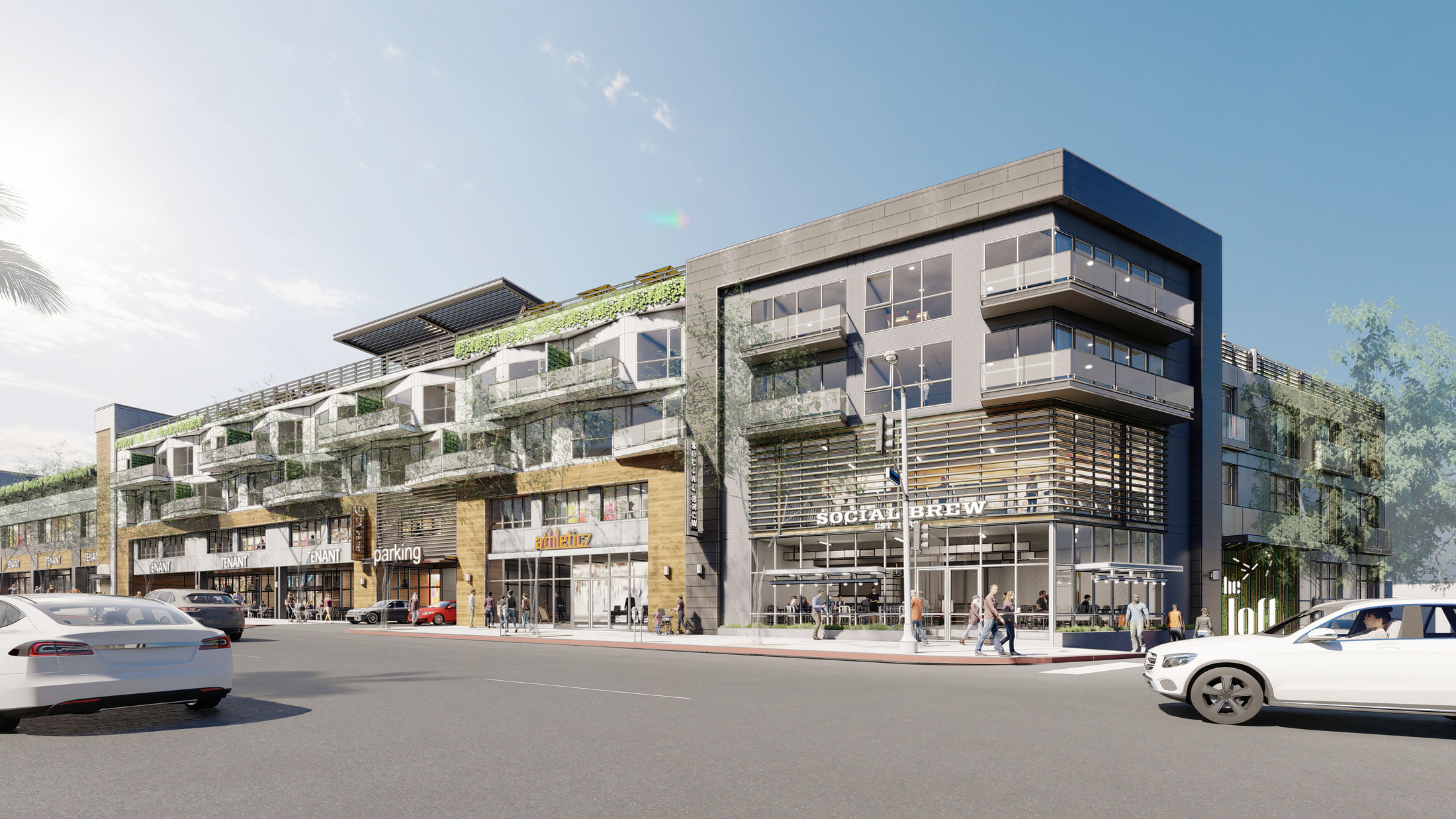
Tampa's mixed-use development pipeline has expanded dramatically with the Water Street Tampa megaproject, the Channel District's ongoing build-out, and the infill density proliferating along the Riverwalk corridor from the Armature Works adaptive reuse to the new residential towers in Seminole Heights. These projects represent a cross-section of mixed-use typologies-from the podium construction of Water Street's hotel-retail-office towers to the smaller-scale Main Street format in Ybor City's historic buildings receiving new residential floors-and each typology brings distinct roofing requirements that a single-trade contractor without mixed-use experience will underestimate.
Tampa Bay's climate is simultaneously one of the most aggressive in the United States for roofing systems. The metro records the highest average lightning frequency in the country, summer afternoon storms arrive with near-daily regularity from June through September, and the city sits within the zone of potential major hurricane landfall that has shaped Florida Building Code wind requirements over the past two decades. Mixed-use buildings in Hillsborough County must achieve a minimum roof-system wind-uplift rating under FBC Table 1609.6.1, and the attachment method-mechanically fastened, fully adhered, or ballasted-must be calculated specifically for the building's height, exposure category, and roof zone. In Tampa's urban coastal context, most mixed-use projects land in Exposure Category D, the most demanding classification.
The interface between a commercial ground floor and the occupied residential or office floors above is the zone where Tampa mixed-use roofing failures concentrate. Water Street Tampa's design team specified protected-membrane assemblies at every commercial-to-residential transition, with drainage composites designed to carry lateral water movement away from the structural deck even if the primary membrane is compromised by penetration failure. That design philosophy-redundancy at the transition, not just a single membrane layer-is the industry standard for high-profile Tampa mixed-use projects, but it is not universally applied on smaller infill developments in the Channel District and Ybor City, where cost pressure sometimes results in simpler assemblies that lack the same redundancy.
Green roofs and rooftop amenity spaces have become signature features of Tampa's luxury mixed-use market, with Channelside-area towers advertising rooftop pools, sky lounges, and urban garden terraces as primary marketing assets. The waterproofing beneath a rooftop pool is arguably the most technically demanding assembly in the entire mixed-use building envelope: it must accommodate the hydrostatic pressure of a full water load, the chemical exposure from pool treatment compounds, the thermal cycling from Tampa's intense sun, and the dynamic loads from swimmers. Polyurea coatings over hot-fluid-applied waterproofing base systems are the established specification for this application, and the contractor's documented experience with pool waterproofing is a non-negotiable qualification requirement.
Ybor City's historic mixed-use buildings-cigar factories and commercial masonry structures now receiving new residential floors-present a different roofing challenge than new construction. The existing masonry walls, often 100-year-old brick, require careful assessment before new roof-to-wall flashing is designed, because mortar deterioration and efflorescence can create moisture pathways that bypass even well-installed counter-flashing. In these adaptive reuse projects, the roofing contractor must work closely with the historic preservation consultant and the structural engineer to develop flashing details that protect the new assembly without damaging the contributing masonry. Tampa's historic preservation office has become more active in reviewing roofing specifications for Ybor City projects as the neighborhood's redevelopment intensity has increased.
Fire-rated roof assemblies in Tampa mixed-use buildings are governed by Florida Building Code Chapter 7 and the applicable NFPA standards, with specific requirements for the separation between the assembly occupancy of a restaurant or entertainment venue and the residential occupancy directly above. Tampa's entertainment corridors-downtown's Grand Central District, the Riverwalk, and Ybor City-concentrate food-and-beverage tenants in mixed-use ground floors, and those uses carry the strictest fire-separation requirements under the code. Roofing contractors who have worked on assembly-occupancy mixed-use buildings understand that the roof-ceiling assembly documents must be coordinated with fire-protection drawings before permit submission, not after.
The logistics of roofing mixed-use buildings in Tampa's active urban core require a level of operational planning that suburban commercial work does not. Water Street Tampa construction required coordinated crane scheduling that balanced concrete pours, curtainwall installation, and roofing membrane delivery across a multi-tower campus with shared street closures. Smaller mixed-use projects in the Channel District face similar constraints with alley access, overhead utility clearances, and noise ordinances that restrict early-morning deliveries. Roofing contractors who have navigated these constraints on comparable urban Tampa projects-who know the permitting contacts, the FDOT lane-closure procedures, and the Tampa Police Department permit requirements for material staging-bring tangible schedule value that inexperienced contractors cannot match.
Maintenance planning for Tampa mixed-use buildings must incorporate hurricane preparedness as a standing annual protocol. IBHS guidelines recommend rooftop inspections before and after each named storm, with documented assessment of membrane seams, parapet cap flashings, and drain covers. Buildings in the Water Street and Channel District corridor are typically enrolled in manufacturer extended-warranty programs that require annual contractor inspections as a warranty condition, and those programs have proven their value in the aftermath of tropical weather events that produce wind-driven rain capable of exploiting any open seam or inadequate flashing termination.
Tampa's mixed-use development momentum shows no signs of slowing, with the Tampa Heights neighborhood, the Westshore Marina District, and the planned redevelopment of the former Rocky Point commercial corridor all generating new projects that will require sophisticated roofing solutions. Contractors competing for this work should be able to demonstrate FBC-compliant wind-uplift calculations, documented experience with rooftop pool waterproofing, and the operational capability to execute in Tampa's congested urban construction environment. Those qualifications, combined with manufacturer-authorized warranty programs and a track record of post-storm performance, represent the full package that Tampa's most demanding mixed-use developers require.
Frequently asked questions
How do I know if my Tampa commercial building's BUR system needs replacement or repair?
Roof review
Get a written Tampa Bay commercial roof scope.
We document the roof condition, separate urgent repairs from capital work, and give ownership a practical path before money gets spent.