
Restaurant and Food Service Building Roofing
Commercial roofing for restaurants, quick-service chains, breweries, and food service facilities throughout Tampa, FL.
Tampa's restaurant industry is one of the fastest-growing in the Southeast, with Ybor City's historic brick-building dining scene, the Channelside and Water Street districts attracting national concepts, and an unbroken corridor of QSR franchises and casual dining chains along Dale Mabry Highway and Bruce B Downs Boulevard serving the city's expanding suburban population. Tampa Bay sits directly in the Atlantic hurricane belt, and commercial roofs in Hillsborough County face some of the most demanding wind and rain loads in the continental United States. For restaurant operators, that weather reality is compounded by the kitchen ventilation and moisture management demands that food-service occupancies place on any roofing system.
Grease exhaust curbs on Tampa restaurant roofs deteriorate at an accelerated rate because Florida's year-round humidity keeps grease residue chemically active against sealants at penetration edges. The combination of Tampa's intense summer sun-which bakes grease onto membrane surfaces-and the daily afternoon thunderstorms that immediately follow creates a wet-dry cycling pattern at exhaust curbs that no standard urethane caulk survives for more than eighteen months. Specifying two-part polyurethane sealant rated for hydrocarbon and UV exposure, applied at proper depth and width, is the baseline for any Tampa food-service exhaust curb installation.
PVC membrane systems dominate the Tampa commercial food-service roofing market because they combine the wind uplift performance required by Florida Building Code with the grease resistance and weld quality that food-service penetration environments demand. A 60-mil PVC system installed with full adhesion in the field and heat-welded seams at all laps provides a monolithic waterproofing layer that maintains integrity under the 140-mph design wind speeds applicable to Hillsborough County's coastal-adjacent exposure categories. TPO is a viable alternative for restaurants farther inland in areas like Temple Terrace and Brandon, but PVC's superior grease resistance makes it the preferred specification for high-volume kitchens.
Ybor City's restaurant and bar district presents restoration-specific roofing challenges. Historic brick commercial buildings that house some of Tampa's most popular dining establishments were not designed for modern kitchen ventilation loads, and adding exhaust curbs to century-old roof decks requires careful attention to deck structural integrity and masonry parapet conditions. Historic district overlay requirements administered through the Ybor City Development Corporation and the City of Tampa's Architectural Review Commission may restrict visible rooftop modifications, requiring low-profile curb designs and color-matched edge metal.
Walk-in cooler and freezer installations on Tampa restaurant roofs face Florida's most challenging vapor management conditions. With outdoor dew points regularly exceeding seventy-two degrees from May through October, the vapor pressure differential driving moisture toward cooled surfaces is enormous. Tampa restaurant operators who have experienced persistent condensation issues on cooler ceilings and walls often find that the root cause is inadequate vapor management at the roof penetration level-moisture entering through a compromised curb seal migrates into the cooler insulation assembly and cannot be addressed from inside the box alone.
Tampa's QSR market-dense with McDonald's, Wendy's, Taco Bell, Popeyes, and Wawa locations across Hillsborough County-generates a significant demand for contractor teams who hold current manufacturer certifications for both Carlisle and Firestone TPO and PVC systems. Franchisors conducting their own roof warranty audits at the time of lease renewal or property sale will pull installation records and verify that the certified contractor on file actually completed the work. Tampa operators who use uncertified local crews to save initial cost often discover that problem at the worst possible time, when the cost of a warranty remediation falls entirely on the building owner.
Hurricane season preparation for Tampa's restaurant industry carries a gravity that no other metro market outside South Florida quite matches. After Hurricane Ian's 2022 impact demonstrated how quickly water damage destroys commercial kitchen equipment and food inventory, Hillsborough County restaurant operators have become significantly more systematic about pre-season roof inspections. A May inspection that documents edge metal fastener torque values, adhesion bond condition at all penetration flashings, and drain clearance is the minimum prudent annual investment for any Tampa food-service operator with a flat roof.
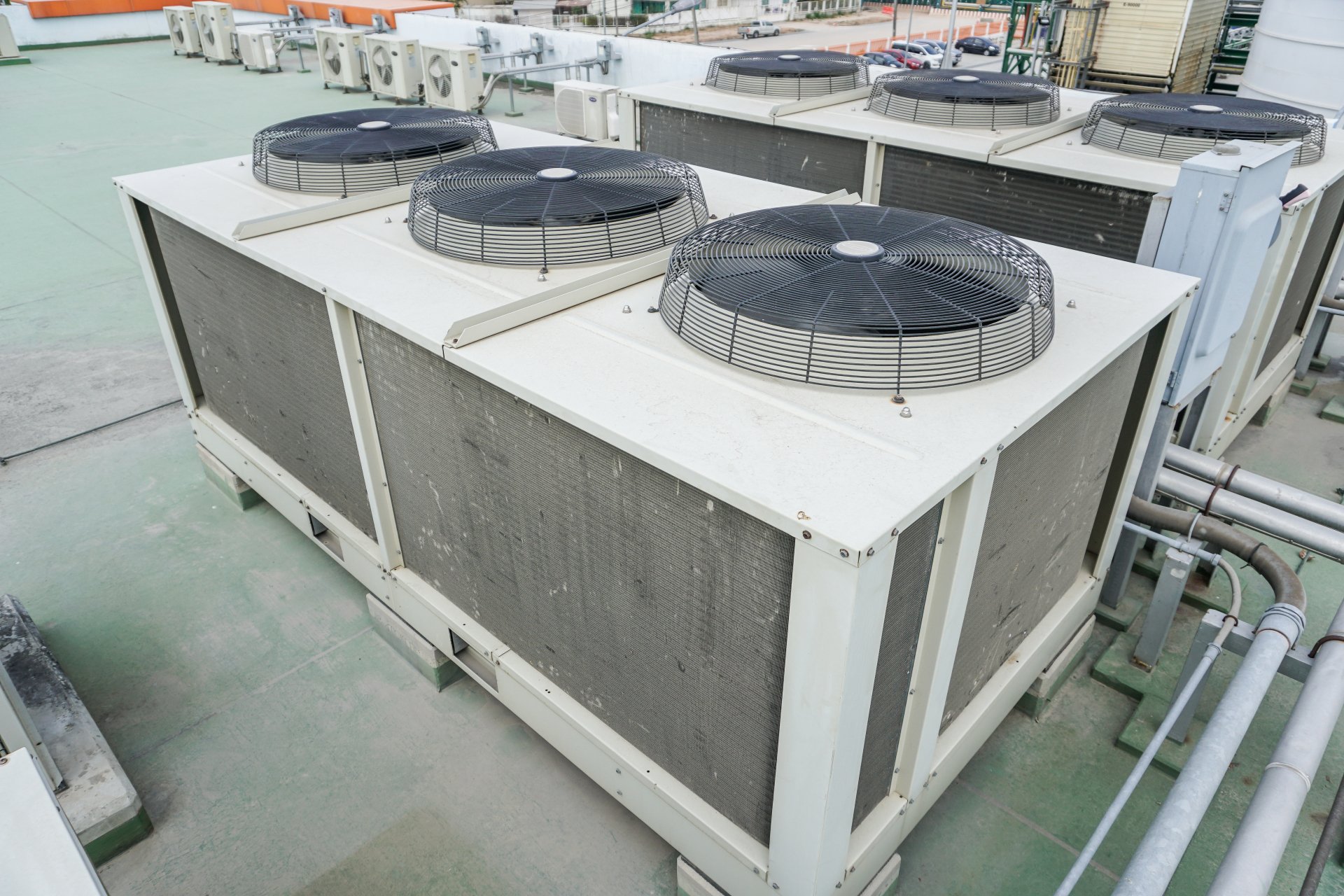
The Water Street Tampa and Channelside developments have brought high-end restaurant tenants into new construction that features complex rooftop mechanical systems-multiple HVAC units, exhaust fans, makeup air units, and grease duct risers all penetrating the roof within a relatively dense footprint. Managing that penetration density requires a coordinating plan that routes each penetration through a specifically detailed curb, ensures adequate spacing between curbs for maintenance access, and establishes a slope-to-drain plan that keeps water from pooling between equipment bases. New construction restaurant roof systems with this complexity should be commissioned with a post-installation flood test before the kitchen equipment below is placed.
Tampa's restaurant operators who protect roof system longevity most effectively treat roof maintenance the same way they treat kitchen equipment maintenance-as a documented, scheduled operating cost rather than a reactive expense. Biannual professional inspections, quarterly grease removal from exhaust curb surfaces, annual drain clearing, and a documented pre-hurricane-season checklist are the four pillars of a Tampa food-service roof maintenance program that consistently delivers full membrane service life. Operators on that program report emergency roof repair costs that are a fraction of those paid by neighboring properties operating without systematic maintenance.
Frequently asked questions
How do I know if my Tampa commercial building's BUR system needs replacement or repair?
Roof review
Get a written Tampa Bay commercial roof scope.
We document the roof condition, separate urgent repairs from capital work, and give ownership a practical path before money gets spent.