Retail and Shopping Center Roofing
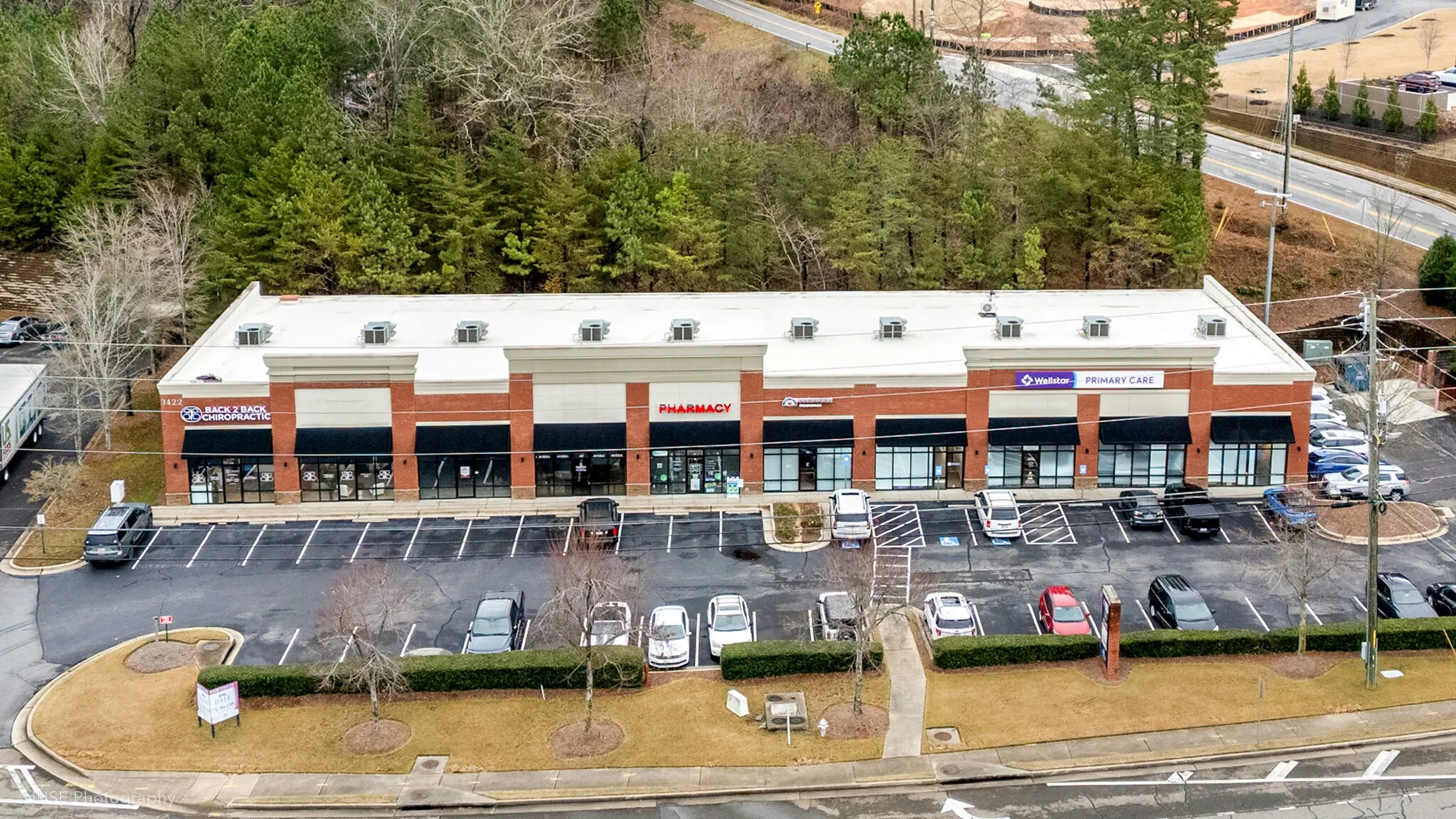
Commercial roofing for strip malls, shopping centers, anchor stores, and standalone retail buildings throughout Tampa, FL.
Tampa anchors one of the fastest-growing metropolitan areas in the United States, and its retail real estate market reflects that growth with a remarkable diversity of commercial property types - from the urban storefronts of Channelside and Hyde Park Village to the enormous retail concentrations of Westshore Plaza, International Mall, and the power centers lining Dale Mabry Highway from Hillsborough to Bearss. Property owners and asset managers across this commercial landscape share a roofing challenge that the Gulf Coast climate makes impossible to ignore: Tampa receives over 46 inches of annual rainfall concentrated in one of the most active afternoon thunderstorm seasons in North America, combined with hurricane exposure that prompted a fundamental reassessment of roofing standards across the Tampa Bay region following the significant storm seasons of recent years.
The commercial corridors of Dale Mabry Highway, Hillsborough Avenue, and Waters Avenue contain hundreds of strip centers and standalone retail buildings where landlords manage diverse tenant mixes under single roof systems that must perform reliably through Tampa's intensely seasonal climate. The pattern of dry winters followed by the May thunderstorm ramp-up, June hurricane season opening, and peak August storm intensity creates roofing conditions that cycle from thermal stress during dry periods to sustained water exposure during wet ones - a pattern that exposes every seam weakness, drainage inadequacy, and flashing deficiency that deferred maintenance has allowed to develop. Commercial property owners who treat their Tampa retail roofing as a passive infrastructure asset rather than an active management priority discover the cost of that approach during the first significant wet season following a period of deferred attention.
International Mall and the Westshore retail district represent Tampa's highest-value retail real estate, where anchor tenants and inline national retailers operate stores whose brand standards extend to building quality expectations that include documented, warranted roofing systems. Asset managers for institutional retail properties in the Westshore corridor treat roof condition as a portfolio-level metric, tracking remaining warranty life, scheduled replacement dates, and maintenance cost history for each property in the same systems they use to manage HVAC and life safety equipment. This level of asset management sophistication reflects the reality that a roofing failure at a Westshore property doesn't just damage merchandise - it creates lease liability and reputation consequences that affect the property's long-term competitive position in Tampa's most contested retail submarket.
TPO roofing is the dominant specification for Tampa commercial retail because Florida's Building Code cool roof requirements and the practical energy cost benefits of reflective membrane surfaces align in a climate where air conditioning expenses represent the most significant operating cost for most retail tenants. Sixty-mil TPO with fully adhered installation has become the standard for high-quality Tampa retail projects because the fully adhered method provides wind uplift resistance that substantially exceeds the mechanically attached alternative - a meaningful difference in a market where Hillsborough County's High Velocity Hurricane Zone designations require roofing systems to be engineered for sustained winds that standard commercial products are not designed to resist without proper attachment specification. The premium for fully adhered installation is modest relative to the total project cost and the asset value being protected.
Tampa's restaurant row along South Howard Avenue, the food hall developments near the Ybor City historic district, and the quick-service restaurant concentration in the Brandon and Wesley Chapel retail corridors create a specific roofing requirement for PVC membrane in food service zones. Kitchen exhaust hood systems on Tampa restaurant pads discharge grease-laden vapors that deposit on the membrane surface within the first several feet of the exhaust stack, and standard TPO formulations are not chemically resistant to the animal fats and vegetable oils in these deposits. Property owners managing strip centers with restaurant outparcels or end-cap food service tenants should specify PVC membrane in a defined zone around each kitchen exhaust penetration, with the zone radius determined by the exhaust volume and the prevailing wind conditions at the specific roof location.
Retail tenant disruption management in Tampa requires sensitivity to the outdoor lifestyle shopping patterns that characterize the Gulf Coast market - customers who would not interrupt their shopping trip for bad weather in northern markets simply stay home during Tampa's summer thunderstorms, making the summer thunderstorm season ironically one of the lower-traffic retail windows even though it is the highest-risk roofing period. Commercial roofers working Tampa retail properties take advantage of this seasonal pattern by scheduling the highest-disruption project phases during the June through September window when weekday foot traffic is lower, completing exterior access-intensive work before the fall season drives retail activity back to peak levels. This sequencing strategy requires flexibility from both the property owner and the roofing contractor but produces substantially less tenant friction than projects that disrupt the critical October through January holiday retail season.
HVAC system integration with the roofing assembly on Tampa retail buildings is more complex than in most markets because of the equipment scale required to cool commercial spaces through six months of 90-degree temperatures and 80 percent humidity. Large-format retail stores in the International Mall area and the Brandon retail district operate condenser equipment arrays with dozens of curb penetrations, and the condensate drainage volumes from systems running at maximum capacity during peak summer months create drainage demands at the equipment level that require properly sloped condensate drain routing to the primary roof drainage system. Improperly routed condensate lines that allow water to pool at the base of unit curbs are among the most common sources of active leaks on Tampa retail roofs that appear to have otherwise sound membrane conditions.
Hurricane preparedness for Tampa retail roofing carries special urgency given that the city has long been identified by storm surge modeling as one of the most hurricane-vulnerable major American metros. The 2024 hurricane season reinforced the precision of those assessments, and Hillsborough County commercial building owners who had deferred roofing maintenance going into storm season faced compounded losses from both wind damage to the roofing system and water intrusion damage to tenant improvements and inventory. Property owners with documented maintenance programs, current warranties, and confirmed attachment engineering entered those storm events in a materially stronger position - both in terms of physical building performance and in the insurance claim process that followed.
Long-term asset management for Tampa retail roofing increasingly incorporates environmental resilience planning that extends beyond the standard maintenance cycle. Some institutional property owners in the Tampa market are specifying enhanced wind uplift testing requirements beyond code minimums, investing in fully adhered systems on buildings where mechanically attached would technically comply, and adding redundant drainage capacity through secondary overflow systems that protect against the scenario where primary drains are overwhelmed or blocked during a storm event. These enhancements add modest cost to individual projects but reduce the tail-risk exposure that a single major storm event represents for a large retail asset, and they document the property owner's active risk management posture in ways that resonate with both insurers and institutional buyers evaluating Tampa retail acquisitions.
Frequently asked questions
How do I know if my Tampa commercial building's BUR system needs replacement or repair?
Roof review
Get a written Tampa Bay commercial roof scope.
We document the roof condition, separate urgent repairs from capital work, and give ownership a practical path before money gets spent.