
Movie Theater & Cinema Roofing
Cinema and movie theater roofing in Tampa, FL - long clear-span auditorium decks, dense per-screen HVAC, and quiet acoustic detailing, sequenced around the screening schedule.
The Auditorium Is a Big Empty Box, and the Roof Has to Bridge It
Every screen in a multiplex is a column-free room, which means the roof above it is one long clear span carried on deep steel joists or trusses. An eight-to-twelve-screen house in Tampa carries auditorium spans well past a hundred feet with nothing holding the deck up in between. That is a different structural animal than the strip-retail roofs most contractors default to, and it changes both the fastening and the way the deck moves under wind and thermal load. We roof cinemas across the market - the multiplexes anchoring centers near International Plaza and the Westshore retail district, the suburban screens out in Brandon, Citrus Park, and Wesley Chapel, and the older single- and dual-screen houses that still operate around the city core. The common thread is the span, and we spec attachment to the deck we actually verify, not to a template.
Wide steel deck deflects, and the rib depth and gauge drive the fastener pull-out value. Shallow-rib deck on an older theater holds far less than the modern deep-rib deck on a recent build, so we confirm the profile and, where it matters, pull-test before we settle on a mechanical attachment rate. On spans where deflection is a real concern, we will move to an adhered or hybrid assembly to keep concentrated point loads off the seams.
Sound Is Part of the Roofing Problem, Not Just the Screen
A theater sells silence. The whole point of a premium auditorium is that you don't hear the building, and the roof assembly is part of that. Rain on a thin metal-deck-and-membrane roof telegraphs straight into the room during one of Tampa's afternoon downpours, and Tampa gets a lot of them. When we reroof an auditorium box we treat the assembly's mass and the insulation layering as an acoustic detail, not only a thermal one - a heavier, well-layered assembly over a properly fastened deck dampens rain noise and rooftop-unit vibration far better than a minimum build-up. We also pay attention to how rooftop equipment is isolated, because a poorly mounted unit transmits a hum that an audience absolutely notices in a quiet scene.
One Roof, a Rooftop Mechanical Yard
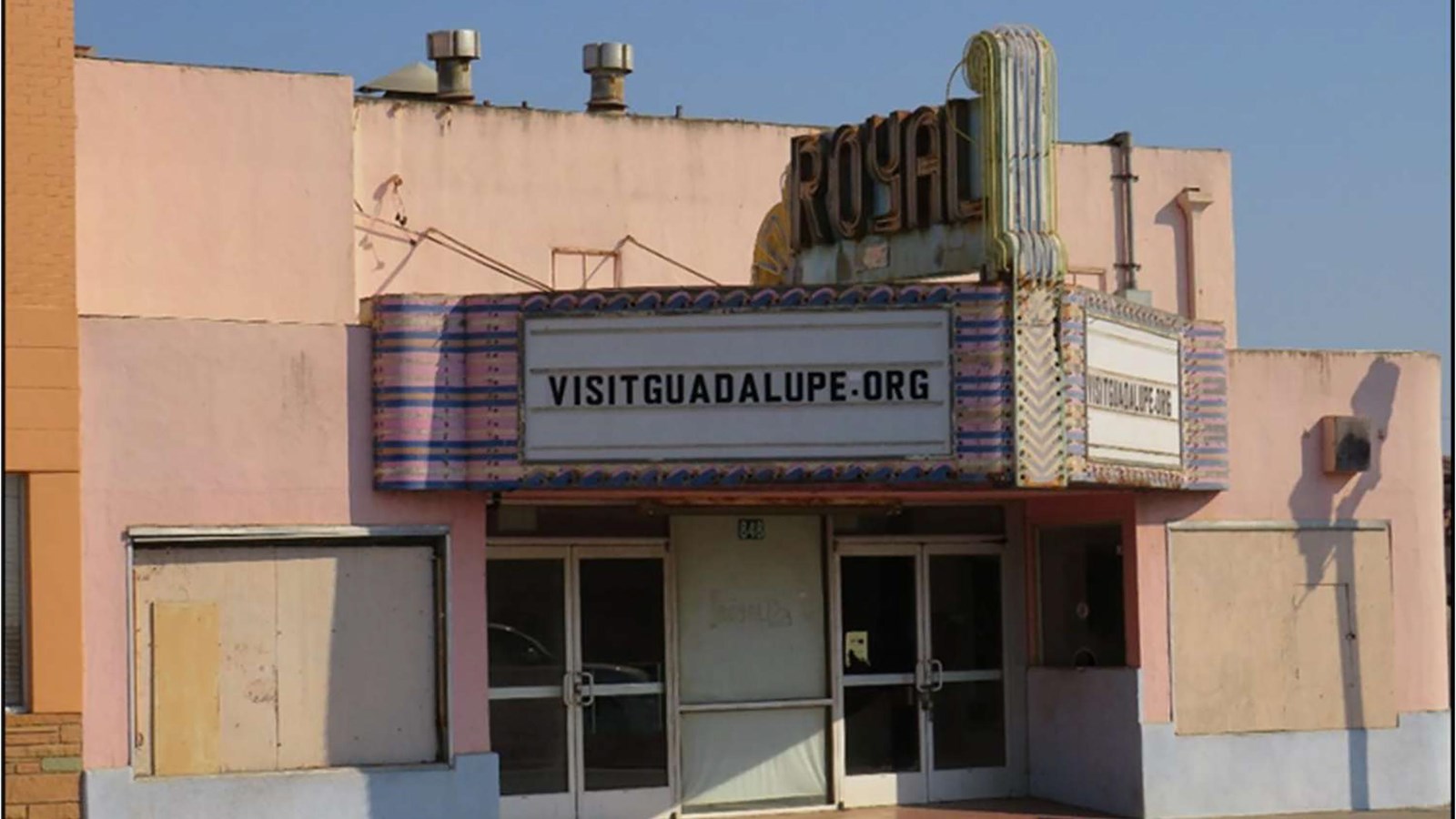
The mechanical load on a cinema rivals a hospital wing. Each auditorium typically gets its own dedicated air handler so the rooms can be conditioned independently as showtimes stagger. Add concession kitchen exhaust, walk-in cooler and freezer condensers for the food program, lobby make-up air, and the marquee and signage electrical runs, and the penetration cluster gets dense fast. Every curb, duct boot, and conduit gets individually flashed and documented before any membrane goes over it. The single most common chronic leak we find on Tampa theaters is not in the field at all - it is the entry canopy and marquee connection where supports penetrate the roof and the original flashing was never built for the differential movement those structures see.
Drainage Is Where Old Theater Roofs Quietly Fail
Flat auditorium roofs built decades ago almost always pond, because the original slope was marginal and time has only made it worse. Standing water in Tampa's sun cooks a membrane and finds every weak seam. On most cinema reroofs we design tapered insulation to re-establish positive drainage to the drains and scuppers, which adds cost up front but is the difference between a roof that lasts its full warranty and one that fails early under ponding. White single-ply over that tapered build also satisfies the cool-roof energy requirements jurisdictions now apply to commercial reroof permits here. We start every theater project with a core sample to confirm how many layers are already in place, whether the insulation is wet, and what the total weight-in-place is before we recommend recover versus full tear-off.
Working Around the Show
Cinemas run from early afternoon to past midnight, seven days a week, so the operational constraint looks a lot like a 24-hour building. We sequence tear-off and dry-in so every roof section is watertight before the evening crowd arrives, coordinate any rooftop-unit shutdown with facilities so an auditorium isn't left without conditioning during a show, and keep crews and material handling clear of the entries and concession deliveries during operating hours.
Steel Deck and Concrete Deck Take Different Systems
Roof review
Get a written Tampa Bay commercial roof scope.
We document the roof condition, separate urgent repairs from capital work, and give ownership a practical path before money gets spent.