
Restaurant Roofing Tampa
Commercial roofing for Tampa Bay restaurants - SoHo and Hyde Park Village, Channelside and Water Street, Ybor City - with kitchen exhaust compatibility, grease drain management, and off-hours production scheduling.
Tampa's restaurant districts - the SoHo/Hyde Park Village cluster on South Howard, the Water Street and Channelside waterfront dining corridor, and Ybor City's historic 7th Avenue restaurant and entertainment strip - are the commercial roofing scope where kitchen exhaust grease, patio roof waterproofing, and tight occupied-hour scheduling combine into something more complex than a standard commercial flat-roof project.
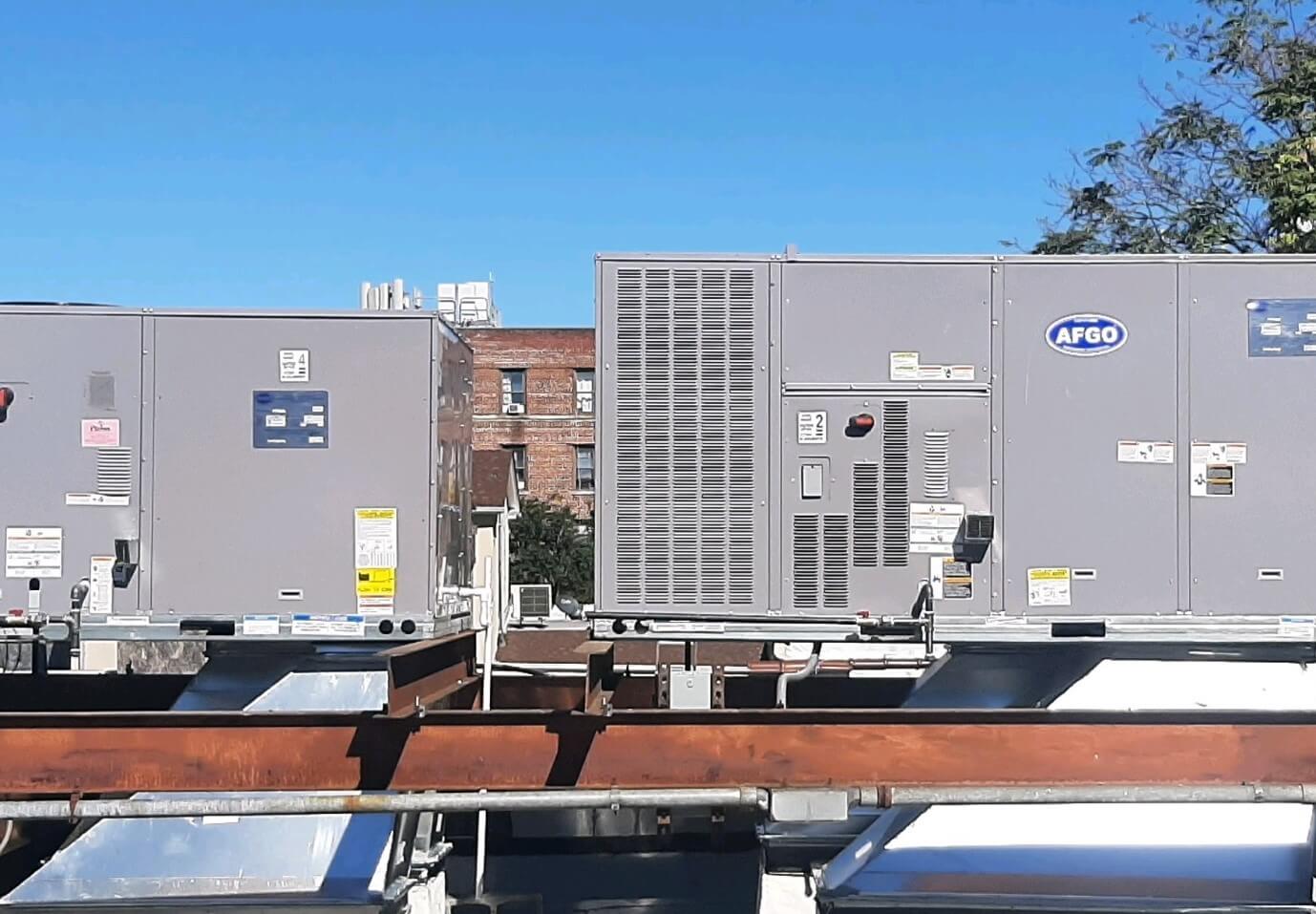
Restaurant roofing in Tampa Bay has three site-specific problems that do not appear in any standard commercial roofing specification. The first is kitchen exhaust grease on the membrane surface. A high-volume restaurant kitchen running an exhaust fan for eight to twelve hours a day deposits aerosolized cooking grease on the roof surface in the discharge plume radius. That grease degrades standard TPO membrane over time - the petroleum-based compounds in cooking grease attack the plasticizer in standard TPO compound, causing the membrane to become brittle and crack at the affected zone. The SoHo and Hyde Park Village restaurant cluster on South Howard Avenue has a concentration of high-volume kitchens in a compact area that produces this issue on a regular basis.
The second restaurant-specific problem is rooftop patio and deck waterproofing. Tampa's outdoor dining culture, amplified by the year-round subtropical climate, has produced rooftop bars and dining patios on nearly every commercial building in the Channelside and Water Street corridor and across the SoHo district. A rooftop patio over an occupied restaurant dining room is a waterproofing application, not just a roofing application - the assembly below the patio surface has to maintain a watertight seal against the subtropical rainfall while supporting the patio furniture, paver load, and the patron traffic that a successful rooftop bar generates.
The third problem is scheduling. A restaurant that runs lunch from 11 AM to 3 PM and dinner from 5 PM to 11 PM, seven days a week, has a two-hour midday window and no morning window for roofing work. Tampa's afternoon thunderstorm season closes the midday window on days with early convective development. The production schedule for a SoHo restaurant is fit to a Tuesday or Wednesday morning window when traffic is lighter and the kitchen is dark until the 11 AM prep period. Contractors who show up with a standard commercial roofing schedule and discover this at mobilization are the ones who generate emergency calls from frustrated restaurant owners.
SoHo and Hyde Park Village - Kitchen Exhaust and Grease Management
South Howard Avenue from Bay to Azeele is the highest concentration of independent restaurant roofing demand in Tampa Bay. The two- and three-story commercial buildings that line South Howard house restaurant tenants on the ground floor with office or residential above - the flat roofs over the ground-floor restaurant space are in a constant kitchen exhaust discharge environment. On buildings where the kitchen exhaust fan terminates through the roof without a grease-trap hood - a common situation on older SoHo commercial buildings that predate current code requirements for exhaust termination - the discharge plume covers a significant portion of the roof membrane within a 10 to 15-foot radius of the exhaust termination.
I specify a grease-resistant membrane upgrade - typically a KEE (Ketone Ethylene Ester) or FleeceBACK reinforced membrane in the exhaust discharge zone - for restaurant buildings where the kitchen exhaust is a documented grease contributor to the membrane surface. The grease-resistant zone is detailed with an impervious drain channel around the exhaust termination base to capture grease-laden condensate before it spreads to the field membrane. This detail extends the effective service life of the roofing assembly in the exhaust zone by five to eight years compared to a standard TPO specification.
Hyde Park Village's restaurant cluster - the Epicurean Hotel and surrounding Howard Avenue dining strip, and the SideBern's/Bern's Steak House rooftop accessible via the back-of-house passage on Morrison Avenue - includes historic masonry buildings with the same brick-to-membrane flashing challenges as the surrounding Hyde Park residential inventory. We specify the same embedded counterflashing detail for Hyde Park restaurant masonry as for the historic residential buildings in the neighborhood.
Channelside and Water Street - Rooftop Patio Waterproofing
The Water Street Tampa and Channelside restaurant and hospitality corridor has produced the highest concentration of rooftop dining patios in the Tampa Bay market. Establishments like Kapa Hana, Ulele, and the rooftop bar and restaurant programming in the Water Street development have made rooftop patio construction a standard element of the restaurant tenant improvement package in this corridor. Each rooftop patio over occupied interior space is a waterproofing project - the paver or composite deck surface sits above a waterproofing membrane assembly that must remain watertight under the sustained foot traffic and paver load of a busy rooftop venue.
The waterproofing system under a rooftop patio has different performance requirements than the low-slope membrane on the primary roof plane. The assembly must accommodate thermal cycling from the direct Tampa Bay sun exposure - rooftop pavers can reach surface temperatures of 140 degrees Fahrenheit on a July afternoon - while maintaining waterproof integrity at all paver joint and pedestal contact points. We specify a hot-fluid-applied modified bitumen waterproofing membrane beneath a drainage mat and paver setting layer for occupied rooftop patio applications - an assembly with a longer service life than cold-applied liquid membranes under the thermal cycling conditions of a Tampa Bay rooftop.
The Channelside waterfront restaurant buildings - including the historic brick warehouse conversions along Channelside Drive - add the masonry-transition flashing challenge at the patio perimeter where the waterproofing membrane transitions to the parapet wall. Water intrusion at the patio-to-parapet transition is the most common point of failure on existing Channelside rooftop patios we have assessed. The counterflashing must be embedded in the masonry mortar joint and extend up the parapet face to a height above the maximum ponding level during a peak-season rain event.
Roof review
Get a written Tampa Bay commercial roof scope.
We document the roof condition, separate urgent repairs from capital work, and give ownership a practical path before money gets spent.